The Runes of Aldur League in Path of Exile 2 introduces a high-risk, high-reward mapping system built around player agency and escalating danger. Instead of simply adding loot modifiers to maps, this mechanic forces players to actively choose power at a cost, making theorycrafting the central gameplay pillar of the league.
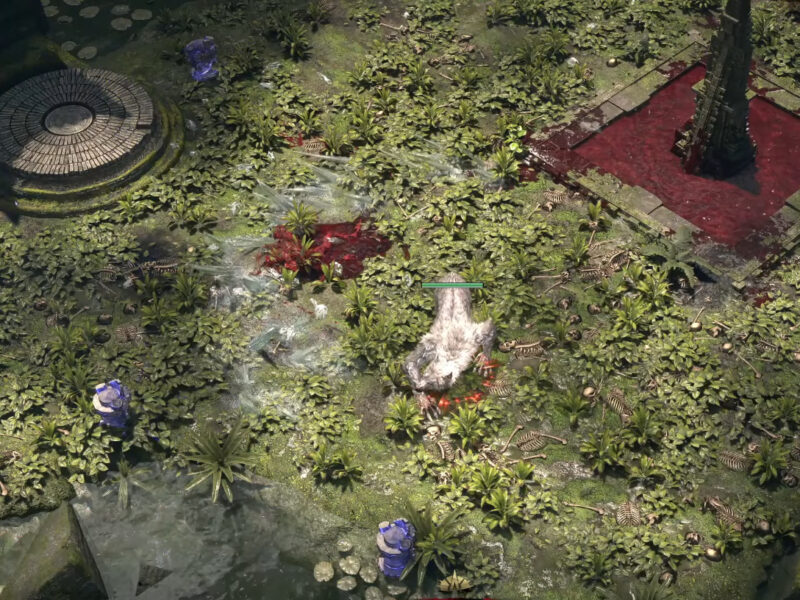
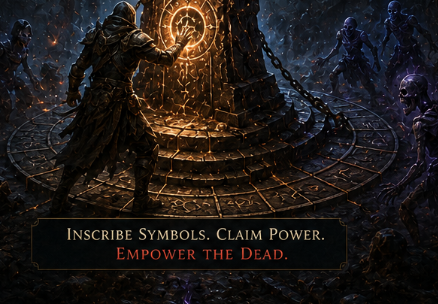
At the heart of the system are Ezomyte Remnants, ancient structures scattered throughout maps. Players inscribe Symbols onto these remnants to determine the type of rewards they will receive, often tying directly into the flow of poe 2 currency acquisition and economic progression. However, every Symbol also strengthens the undead enemies that spawn from the relic, turning each decision into a calculated gamble between greed and survival.
This mechanic fundamentally changes mapping from a static farming loop into a dynamic decision tree where every encounter is customized by the player’s choices.
Core Symbol System Overview
Below is a breakdown of how Symbol choices influence both rewards and enemy difficulty:
| Symbol Type | Primary Reward Focus | Enemy Empowerment Effect | Risk Level | Theorycrafting Impact |
|---|---|---|---|---|
| Wealth Rune | Currency & raw loot drops | Increased damage & speed | High | Best for fast, tanky builds |
| Knowledge Rune | Skill gems & crafting items | Extra elemental modifiers | Medium | Favours balanced elemental builds |
| Blood Rune | Rare items & uniques | Life leech + sustain boosts | Very High | Demands strong burst control |
| Echo Rune | Pack size & density scaling | Resurrection on death chance | Extreme | Requires high AoE clearing builds |
| Iron Rune | Defensive loot bonuses | Armor & resistance stacking | Low | Ideal for beginners and SSF play |
This system ensures that no reward path is “free.” Every gain is directly tied to a measurable increase in combat difficulty, forcing players to tailor builds around their chosen Symbol strategy.
Theorycrafting Becomes Mandatory, Not Optional
In previous leagues of Path of Exile 2, theorycrafting was often an optimization layer. In Runes of Aldur, it becomes a survival requirement.
Players must now:
- Pre-plan Symbol combinations before entering maps
- Adjust defensive layers based on expected enemy buffs
- Balance clear speed with controlled risk exposure
- Build around conditional difficulty scaling, not fixed encounters
This creates a meta where flexibility matters more than raw DPS. A build that performs moderately well in all Symbol types will often outperform a build that excels in only one.
Narrative and System Integration
As the campaign progresses, the origins of Ezomyte Remnants are revealed to be tied to the ancient Kalguuran civilization, expanding the lore significance of the mechanic.
After Act 4, the system begins to merge with Expedition mechanics, creating hybrid encounters that combine relic excavation with explosive combat scenarios. This fusion deepens both gameplay variety and strategic complexity.
In the endgame, the destroyed settlement of Kingsmarch reappears as a coastal mapping hub. Players can revisit this zone to access deeper expedition chains, recover lost NPCs such as Gwennen, and unlock new Pinnacle encounters tied to Kalguuran relic networks.
Endgame Scaling and Pinnacle Design
The most advanced aspect of the system is its influence on boss encounters. Pinnacle bosses scale dynamically based on cumulative Symbol usage throughout progression.
This means:
- Early Symbol choices affect late-game difficulty
- Boss mechanics reflect dominant Rune types used
- Rewards scale with total risk investment over time
This creates a long-form progression loop where every mapping decision contributes to endgame identity.
The Runes of Aldur League in Path of Exile 2 represents a shift toward fully decision-driven ARPG design. By tying rewards directly to enemy empowerment through Ezomyte Symbol inscription, it transforms mapping into a strategic system of controlled risk.
Success in this league is no longer about farming efficiency alone—it is about mastering when to take risk, how to scale it, and how to turn danger into exponential reward potential.